Three ways to pay for power
You're already paying for electricity. The question is who you pay, and how.
Path 1
Keep renting from the utility
- Nothing to install
- You pay whatever the rate is, every month, forever
- Your rate moves whenever the utility's does
Path 2
Buy the panels
- You own the system
- Large upfront cost or a loan
- The federal homeowner tax credit ended for systems installed after December 31, 2025 (IRS)
- You handle what happens when something breaks
What I usually recommend
Pay for the power, not the panels
- A power purchase agreement (PPA): panels go on your roof, you pay for the electricity they make
- No large upfront purchase
- Your terms are in writing before you sign anything
- I explain every number in the agreement at your table
"I don't recommend buying solar panels to anybody." Rick, on why most of his homeowners go with a PPA.
Before anyone climbs a ladder
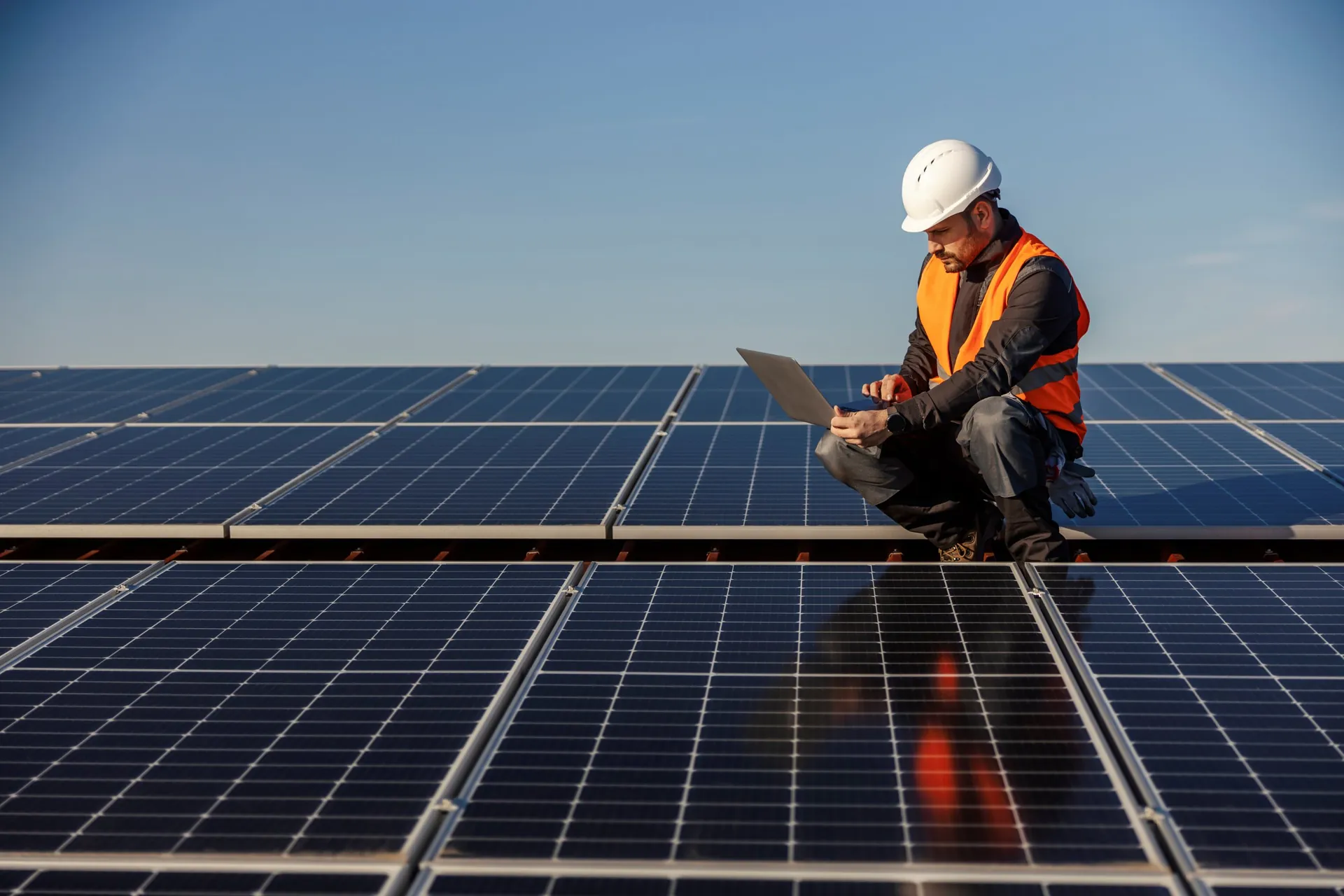
What I check first
1
Your roof
Which way it faces, how much shade it gets, and how old it is. If the roof needs replacing soon, that conversation comes first.
2
Your real usage
Twelve months of electric bills tell me more than any estimate. Seasons matter here: winter usage can look very different from summer.
3
How long you'll stay
Planning to move in two years? We talk about what that means before anything else.
4
If PPL is your utility: how it credits what you don't use
When your panels make more than you use, PPL credits that power at the full retail rate on your bill. Leftover credit carries forward to May 31, then PPL pays it out at its Price to Compare. If your power comes from Quakertown Borough instead, ask me about the borough's terms at the table.
Solar financing in Pennsylvania: buying, leasing, or a power purchase agreement
When people ask me about solar financing in Pennsylvania, I start here, because how you pay shapes almost everything else about the deal, from who owns the panels to who fixes them when something breaks. There are three common ways to get solar on your roof. Buying, with cash or a loan, means you own the panels. You also own the upkeep, and your payback depends on your usage and on what happens to electric rates. Leasing means a company owns the panels and you pay a set monthly amount to use them.
A power purchase agreement, or PPA, means a company owns the panels on your roof and you pay for the electricity they make, by the kilowatt-hour. There's no large upfront purchase. That's what most of my homeowners choose, and it's why I say I don't recommend buying panels to anybody. With a lease or a PPA, the company that owns the panels is the one that may claim any tax credit, not you, so be careful of anyone who says otherwise.
Residential solar panels in Quakertown: how a system gets sized
Residential solar panels in Quakertown get sized the same way they do anywhere else in Pennsylvania: from your yearly usage, not from one bill. I look at twelve months of kilowatt-hours. Then the roof: which way it faces, how much shade it gets, how old it is. A house with central air and a pool has a very different year than a house heated with gas. The system should match.
What to read in any solar agreement
Whichever way you go, read these parts before you sign: the rate or monthly payment, and whether it goes up each year and by how much. How long the agreement runs. Who maintains and repairs the system. What happens if you sell the house. What happens if the roof needs work while the panels are on it.
I walk through every one of those lines with you at the table. Pennsylvania gives homeowners three business days to cancel a home improvement contract, and your paperwork includes the cancellation notice. I'd still rather you take your time before you sign at all.
What drives solar installation cost in Pennsylvania
Most people want to know what solar installation costs in Pennsylvania before anything else. Fair question. The honest answer? It depends on your house. So I won't put a number on a website. Here's what moves it: the size of the system, which comes from your yearly usage. The condition of your roof, because a roof that needs replacing should be done first. Whether your electrical panel needs work. And how you pay (buy, lease or sign a PPA), because each one puts the cost in a different place.
Any price you're shown should also make sense without a federal tax credit (the homeowner credit ended for systems installed after December 31, 2025). When we sit down, you'll see the real terms in writing before you decide anything.
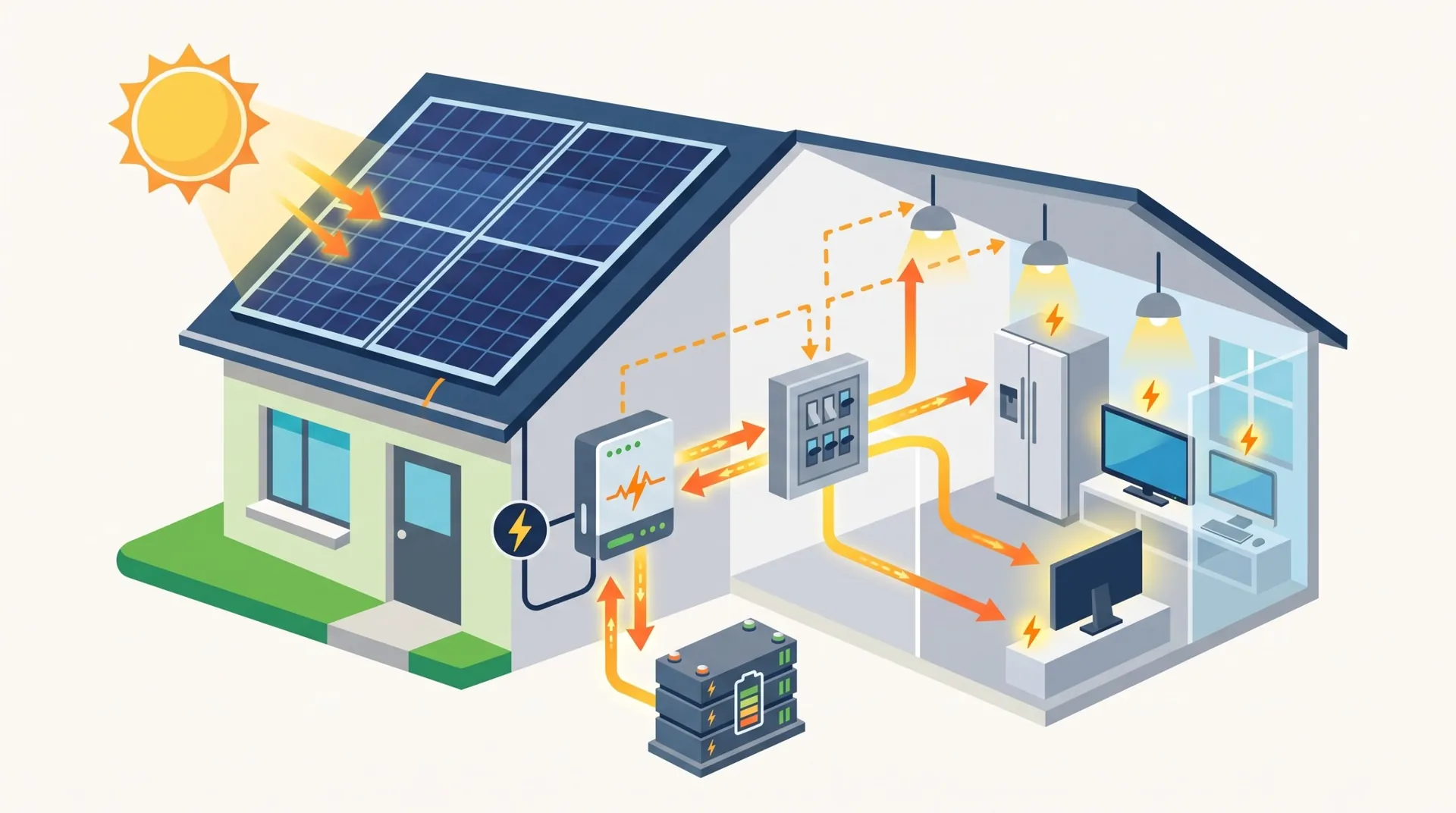
How solar works on a Pennsylvania house, day and night
During the day, your panels make electricity and your house uses it first. When they make more than you're using, the extra goes out to the grid. At night and on heavy cloud, your house pulls power from the grid like it always has. You stay connected the whole time, so the lights never notice the difference.
Panels run on light, not heat, so a cold clear day in January can still be a good day for production. Snow stops production until it melts or slides off. Panels are dark and tilted, so they usually clear faster than the rest of the roof. Over a full year, the summer months do most of the heavy lifting.
Net metering with PPL
If PPL is your utility, net metering is how the extra power gets credited. When your panels make more than you use, PPL credits that power at the full retail rate on your bill. Leftover credit carries forward month to month until May 31, then PPL pays it out at its Price to Compare.
That's why I size panels from twelve months of usage instead of one bill. A system sized to your real year makes the most of those credits. If your power comes from Quakertown Borough, the borough sets its own terms, so ask me about them at the table.
Solar panels for homes in Pennsylvania: which option fits which homeowner
No single option fits every house. If you want the most control and you plan to stay a long time, buying can make sense, as long as you're ready to own the upkeep. If you want no large upfront cost and someone else responsible for the equipment, a lease or a PPA is usually the better fit. I'll lay all three side by side with your own numbers.
Next
Decode your PPL bill
→